Electrodepositing Technology
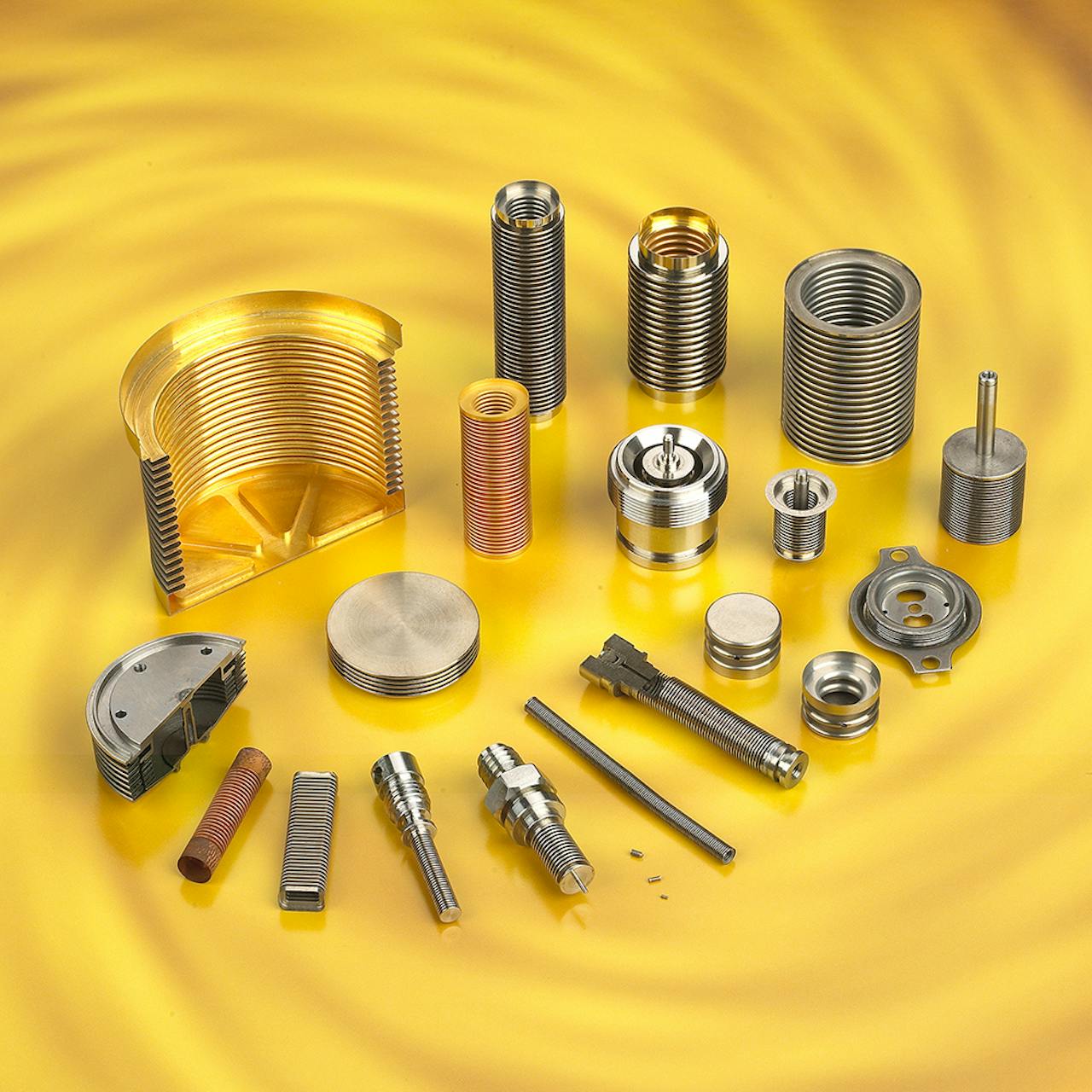
MW Components engineering and manufacturing experts use state-of-the-art machinery and up-to-date technology-driven processes to produce precise components for critical applications. One example of our process capabilities includes electrodepositing technology.
Key Features
- This process easily forms complex shapes with intricate geometries.
- Electroformed bellows are the optimum solution for critical applications that demand complex geometries, seamless construction, and miniature sizes.
- These precision-engineered components deliver performance, durability, repeatability, and dependability that other alternatives cannot.
- We use our signature Cobalt-Nickel alloy, FlexNickel, which is able to meet the temperature capability and structural rigidity of metal yet retain the flexibility and weight of plastic components.
- Available surface finishes include copper, gold, & silver.
- Extremely small OD measurements achievable - 0.020 inches (0.5 mm)
- Leak rate - 1 x 10⁻⁶ cc He/sec @ 1 atm standard (1 x 10⁻⁹ cc He/sec @ 1 atm possible)
Simply stated the process of electrodeposition or electroforming involves building thin layers of metal onto a precision-machined mandrel and chemically removing the mandrel. Although the technology has been around for centuries, primarily manufacturing consumer goods like CDs and jewelry, only MW Components has perfected manufacturing convoluted, dynamic bellows electroforms for more than 50 years.
Industry Applications
Aerospace
Responding to a new defense or aerospace design challenge often requires the development and manufacture of small ultra-precision parts with critical specs and high-performance parameters – along with zero margins for error.
MW's Servometer location has designed and manufactured micro-miniature components in the world’s most advanced satellite systems. Our assemblies have also appeared in all NASA Space Shuttles and several military fighter jets including the F-15, F-16, F-22 as well as newer models currently in development. Our bellows and assemblies are used in a variety of ways in aerospace applications due to lightweight construction, extreme temperature capability, and small sizes.
MW's bellows create opportunities. From pressure and temperature instrumentation to altimeters, actuators, and accumulators, our metal bellows perform to the strict requirements of an aerospace qualified device. Our bellows facilities hold ISO9001 certified quality system to assure that components are completed right the first time. We have the experience to maintain export control documentation and protect designs.
Athermalization Bellows Assemblies
Laser sighting devices are sensitive to changes in temperature. By filling the assembly with an engineered fluid and then installing a unique sealing plug, this bellows can e designed to convert a change in temperature into precise liner movement. This athermalization then allows the military tank cannon, infantry rifle, or other laser-site applications to be right on target.
Custom Electroforms
Here is another example of how our electroforming process could meet dimensional and appearance requirements not obtainable with a stamping. This electroformed socket is used as a precision connector for military aircraft radar jamming avionics.

Welded Assemblies
This double bellows triple welded assembly can be found in the F-15 Eagle fighter aircraft as part of the steering control unit. A total of four bellows assemblies monitor airspeed, altitude, and hydraulic pressure to assure the correct movement of the control surfaces in any flight situation.
Medical
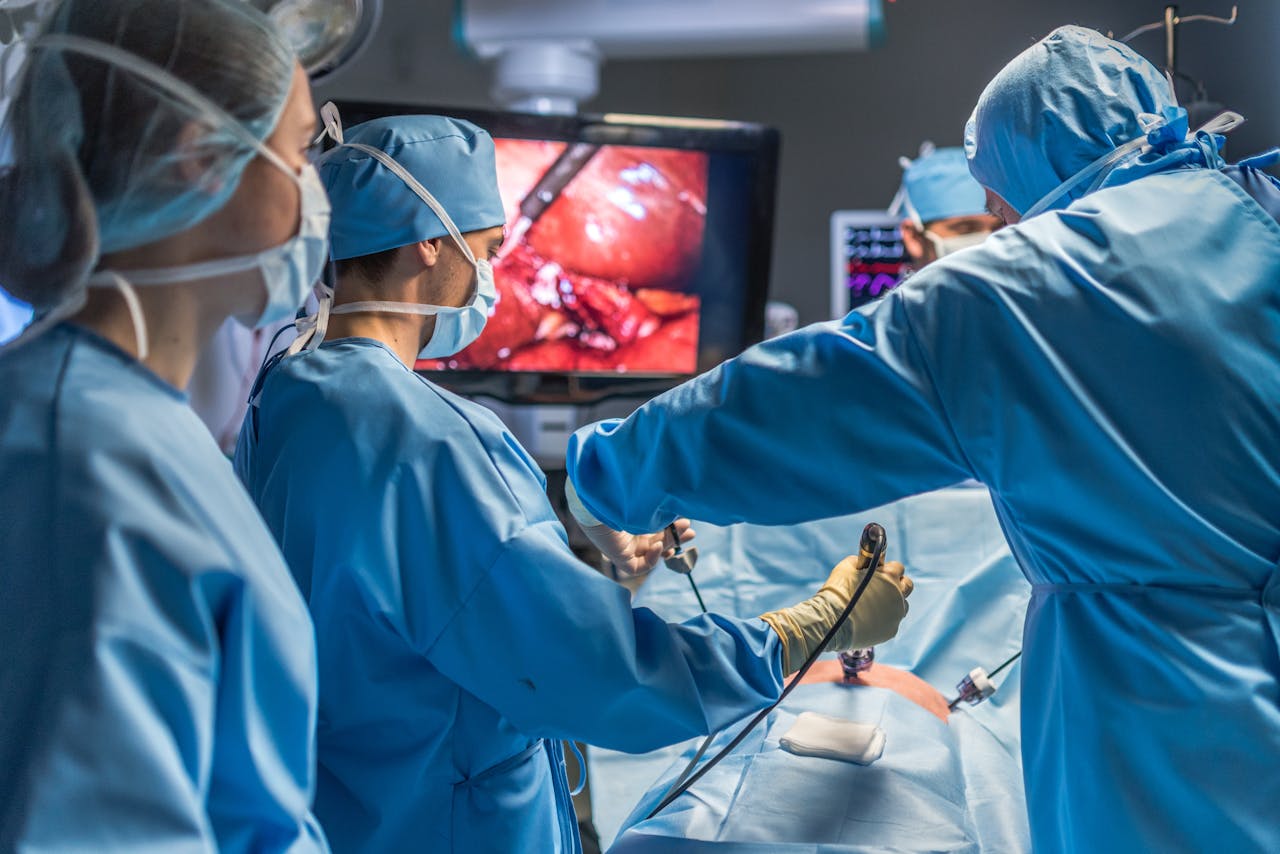
Medical instrumentation requires strict tolerances, exotic shapes, and excellent quality. MW Components fulfills those requirements with its medical bellows. Available in lengths as small as 0.20 inches, our nickel and gold bellows will fit most applications. Round, rectangular, and custom-shaped components can all be designed. Our design engineers understand the time invested in the qualification of medical devices and are willing to assist with our many years of experience and leading-edge technology.
Our ISO 9001 certification assures that we will build, test, inspect and verify that every product we build meets the performance requirements agreed to with our customers. Bellows and electroforms can be used with invasive or non-invasive equipment. Bellows add flexibility to invasive equipment whereas electroforms employ special finishes and shapes to meet custom requirements. For medical test equipment, electrodeposited bellows and electroforms can provide protection from electrical interference or hermetically seal a component or assembly. Bellows can also compensate for changes in volume, pressure, and temperature with expansion and contraction.
Electrical spring contacts offer a simple solution for connecting electronic devices in assembly or in devices that connect and disconnect with high frequency. With miniature size capability, electrical spring contacts with bellows technology can solve issues with tolerance build-up between components as well as provide minimal signal loss. Titanium bellows are available for added capability for invasive medical instruments and implantable devices.
Electroform Assemblies
This reagent probe is used in automated medical testing equipment. Our electroforming process allowed for the accurate interior dimensions that were required for precision fluid dispensing. A threaded ferrule is brazed onto the electroform to provide for attachment to the test equipment. The entire assembly is then Paralyene® coated to prevent any unwanted reaction to the dispensed reagents.
Semiconductor / UHV
MW's Servometer location manufactures custom components and assemblies for semiconductor and Ultra High Vacuum (UHV) and Ultra High Purity (UHP) applications. Bellows and bellows assemblies are used in analytical instruments to translate pressure and temperature into motion. Bellows are also used in valve equipment as a hermetic seal. The high cycle life, media compatibility, repeatability, and leak-tight features of our bellows create opportunities for engineers to accurately control processes in critical systems.
These bellows can be customized to the dimensions and specifications that the application requires. Electroforms and electroform assemblies are designed for their highly reflective finish and their customization to shapes and sizes. Imaging and heating equipment can utilize electroforms as a cost-effective solution to increase efficiency in processing. Flexible shaft couplings are used to connect motion control instruments throughout processing equipment. Eliminating backlash and misalignment issues, flexible shaft couplings utilizing bellows technology increase system efficiency and eliminate downtime. Available in stock sizes as well as custom configurations, bellows couplings are a simple solution for motion control in semiconductor applications.
To begin customizing a bellows product for your semiconductor or UHV needs, fill out our custom bellows design form.
Sensors & Instrumentation
Metal bellows are key in the world of instrumentation. The movement of the metal bellows under hydraulic or pneumatic pressure (internal or external) can create the information needed for a system. Gauge, barometric and differential pressure, and temperature can all be compensated for using bellows technology. With miniature sizes available, bellows can be added to instrumentation and manifolds of almost any shape or size. Electrodeposited bellows have been used to increase the accuracy inside capacitive and potentiometric pressure sensors to increase linearity. Metal bellows have also proven to significantly increase the life of miniature pressure switches. The US military uses them as part of a pressure switch assembly in armored trucks.
Valves, valve actuators, and valve assemblies rely on bellows technology to seal and provide feedback. With pressure, bellows can expand or contract to the stroke required in order to implement proper seating or relay the position of the valve. From sub-sea and down-hole tools to aerospace components, our bellows provide excellent performance in valve systems in the most critical applications.
Bellows couplings create a connection in the system for instrumentation such as actuators and encoders. With zero backlash, our bellows provide flexibility and repeatability while compensating for misalignment and high RPMs. Bellows couplings can be installed internally or externally, because of our miniature size capability. Vision sensors and optical equipment use electroforms for their special finish and custom capability. MW Components specializes in the development of custom electroforms for vision systems through its patented process to ensure rugged construction with tight tolerances.

In a digital world, mechanical components such as bellows are still a major mechanism to gather information. Contact Us today to learn how we can make your system more accurate, smaller, and smarter.
Energy
A major requirement in the energy market is for responsive, repeatable performance under high pressure, temperature or corrosive environmental conditions. We ensure that our electrodeposited bellows provide reliable operation for millions of cycles and transmit measurements from encoders and sensors accurately even in the toughest conditions.
Typical Energy Applications:
- Gas Lift Valves
- Actuators
- Pressure Sensors
- Down Hole Tools
- Mechanical Seals

Welded Assemblies
Precise pneumatic positioning is provided with the EB welded bellows assembly. Small changes in pressure translate into accurate movements of the sensitive bellows. Bellows can be designed for extremely low or extremely high-pressure actuation.
ELECTRODEPOSITION MATERIALS
What is FlexNickel®?
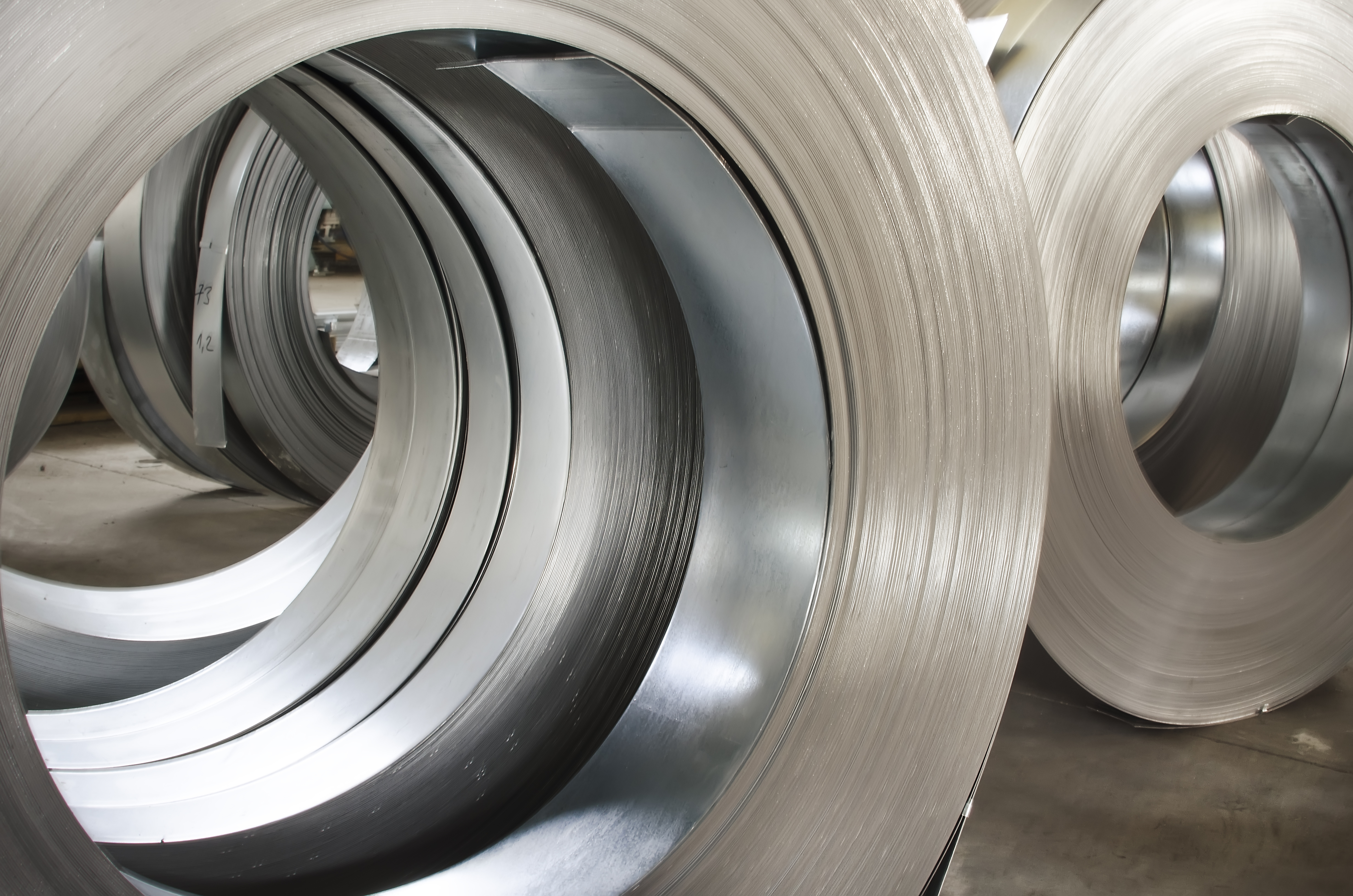
Metal composition is critical to the performance and ruggedness of an electroformed component. MW Components produces parts using our signature Cobalt-Nickel Alloy, FlexNickel®. Our superior Nickel alloy's unique properties outperform other electroforming material choices such as nickel and copper, which are typically less robust. FlexNickel easily meets the temperature capability and structural rigidity of metal yet retains plastic's flexibility and weight. It can be used with other surface finishes, including copper, gold, silver, or a combination of media compatibility and conductivity.
FlexNickel mechanical properties:
- High tensile strength
- High elasticity
- Amenable to soldering, brazing, and welding
- High Purity
- High Consistency
Electrodeposited Products
Still Have Questions?
If you require electrodeposited components not listed here or would like more information, please talk with our experts today and let us help you figure out the best solution.